A beautiful home is more than just a collection of furniture, walls, and decorative pieces. It is a space where comfort, personality, and functionality come together. This is where interior designing plays an important role. Good interior designing can completely change the way a home looks and feels while also making everyday living more comfortable.
Whether you are designing a new home, renovating an existing space, or simply looking for ways to refresh your interiors, thoughtful planning can make a significant difference. From choosing the right colours and furniture to improving lighting and storage, every small detail contributes to the overall appearance of a space.
Today, interior designing is not limited to luxury homes or large spaces. With smart planning and creative ideas, even a small apartment can look stylish, spacious, and welcoming.
What Is Interior Designing?
Interior designing is the process of planning and creating functional, comfortable, and visually appealing indoor spaces. It involves several elements, including furniture, colours, lighting, flooring, wall treatments, layouts, textures, and décor.
The main purpose of interior designing is not simply to make a room look attractive. It is about creating a space that suits the lifestyle and needs of the people using it. A well-designed interior should balance beauty with practicality.
For example, a living room should provide enough seating for family and guests, while a bedroom should create a peaceful environment for relaxation. Similarly, a kitchen should be attractive but also easy to use and maintain.
Why Is Interior Designing Important?
A well-planned interior can have a major impact on your daily experience. The right layout can make movement easier, while suitable lighting and colours can create a comfortable atmosphere.
1. Improves Functionality
One of the most important benefits of interior designing is better functionality. Furniture and other elements can be arranged according to the available space and the way the room is used.
A professional approach helps avoid unnecessary furniture, overcrowding, and awkward layouts.
2. Creates a Comfortable Environment
Your home should feel comfortable and welcoming. Interior designing allows you to select colours, materials, furniture, and lighting that create the atmosphere you want.
Soft colours, comfortable furniture, warm lighting, and natural textures can make a home feel more relaxing.
3. Reflects Your Personality
Your home can tell a story about your personality and lifestyle. Some people prefer modern interiors, while others love traditional, minimalist, or contemporary designs.
Interior designing gives you the freedom to create a space that reflects your individual taste.
4. Makes Better Use of Space
Space planning is an essential part of interior designing. Even a small room can feel spacious when furniture is selected and positioned carefully.
Smart storage solutions, multifunctional furniture, mirrors, and suitable lighting can help create the impression of a larger space.
Popular Interior Designing Styles
There are many interior styles to choose from. The right style depends on your preferences, lifestyle, budget, and the architecture of your home.
Modern Interior Design
Modern interiors usually focus on clean lines, simple furniture, neutral colours, and uncluttered spaces. This style is suitable for people who prefer a sophisticated and organised appearance.
Minimalist Interior Design
Minimalist interior designing focuses on simplicity. It uses fewer decorative elements while giving importance to functionality, open space, and clean surroundings.
The idea is to keep only the things that are useful or meaningful.
Contemporary Interior Design
Contemporary interiors combine current design trends with practical elements. The style can include modern furniture, statement lighting, interesting textures, and a balanced colour palette.
Traditional Interior Design
Traditional design often includes detailed furniture, classic patterns, warm colours, decorative elements, and elegant finishes. It can create a timeless and comfortable atmosphere.
Scandinavian Interior Design
Scandinavian interiors are known for simplicity, natural materials, light colours, and functional furniture. This style often creates bright and peaceful spaces.
Important Elements of Interior Designing
Successful interior designing involves more than selecting beautiful furniture. Several elements need to work together to create a balanced interior.
Colour Selection
Colours can influence the overall mood of a room. Light colours can make a small room appear brighter and more open, while darker shades can create depth and warmth.
A good colour palette should complement the furniture, flooring, lighting, and overall design style.
Furniture
Furniture should be selected according to the size and purpose of the room. Oversized furniture can make a small room feel crowded, while very small furniture may make a large room look empty.
The goal is to find the right balance between comfort, size, style, and functionality.
Lighting
Lighting is one of the most important aspects of interior designing. A combination of natural and artificial lighting can make a room look more attractive.
Pendant lights, ceiling lights, wall lights, floor lamps, and accent lighting can be used to create different layers of illumination.
Flooring
Flooring influences both the appearance and practicality of a room. Tiles, wooden flooring, marble, vinyl, and other materials can be selected depending on the room and budget.
The flooring should complement the overall interior rather than compete with other design elements.
Wall Décor
Walls provide an opportunity to add personality to your interiors. Paint, wallpaper, artwork, mirrors, wall panels, and decorative shelves can transform an otherwise plain wall.
However, decoration should be balanced. Too many elements can make a room appear cluttered.
Interior Designing Ideas for Different Rooms
Every room has a different purpose, so its design should be planned accordingly.
Living Room Interior
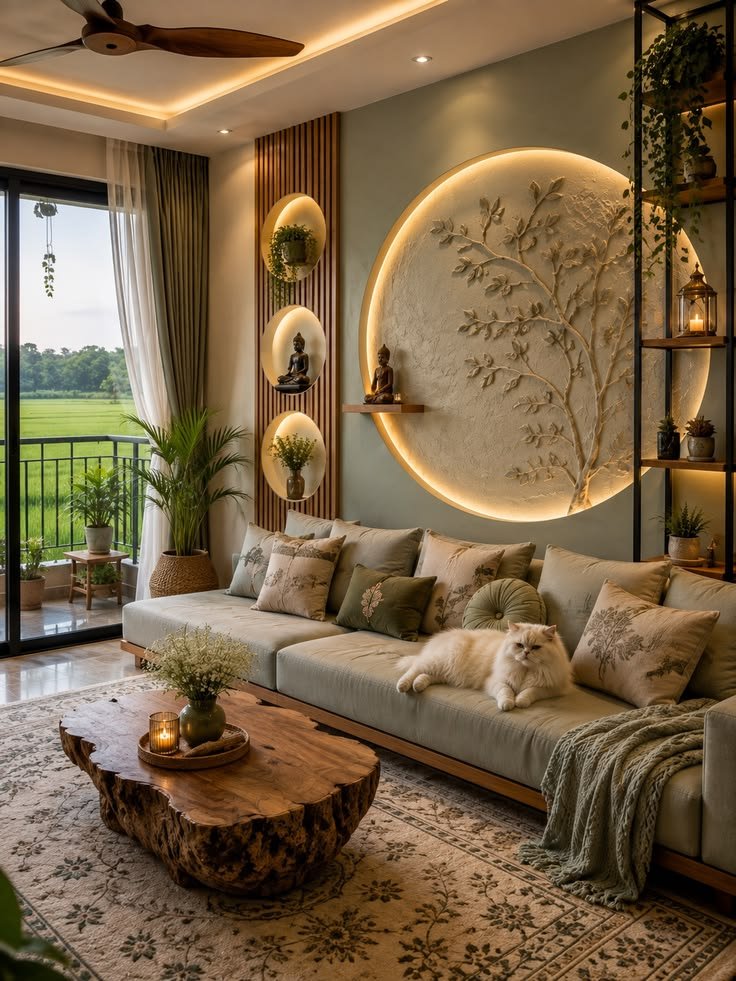
The living room is often the centre of a home. Comfortable seating, a suitable centre table, attractive lighting, and carefully selected décor can create an inviting space.
A feature wall or statement artwork can also become the focal point of the room.
Bedroom Interior
A bedroom should feel calm and comfortable. Soft colours, comfortable bedding, suitable lighting, and practical storage can create a relaxing environment.
Avoid excessive decoration and choose furniture that allows enough movement around the room.
Kitchen Interior
Modern kitchen interior designing focuses strongly on functionality. Cabinets, countertops, appliances, storage, and lighting should be planned together.
Modular kitchens are popular because they can provide organised storage while maintaining a clean appearance.
Bathroom Interior
A well-designed bathroom can feel both functional and luxurious. Good lighting, suitable tiles, storage cabinets, mirrors, and quality fixtures can improve the overall experience.
Easy-to-clean and moisture-resistant materials are especially important in bathroom design.
How to Plan Your Interior Designing Project
Before starting an interior project, it is important to create a clear plan.
Set a Budget
Determine how much you are comfortable spending before purchasing furniture or materials. A budget helps you prioritise important areas and avoid unnecessary expenses.
Understand Your Space
Take measurements of your rooms, doors, windows, and existing furniture. Understanding the available space makes it easier to create a practical layout.
Choose a Design Style
Decide whether you prefer modern, minimalist, contemporary, traditional, or another interior style. Having a clear direction helps maintain consistency throughout the home.
Select a Colour Palette
Choose a primary colour and supporting shades that work well together. Using a consistent palette can make different rooms feel connected.
Prioritise Functionality
Beautiful interiors should also be practical. Consider storage, movement, maintenance, lighting, and the everyday needs of your family.
Common Interior Designing Mistakes to Avoid
Even small mistakes can affect the overall appearance of your home.
One common mistake is buying furniture without measuring the room. Another is using too many colours or decorative pieces. Poor lighting and insufficient storage can also make an otherwise attractive space uncomfortable.
It is also important not to blindly follow every interior design trend. Trends can change quickly, while your home should remain comfortable and useful for years.
Instead, choose timeless elements and add trends through smaller accessories that can easily be changed later.
Benefits of Hiring a Professional Interior Designer
Planning an entire home can sometimes feel overwhelming. An experienced interior designer can help with space planning, material selection, colour combinations, furniture placement, lighting, and overall coordination.
A professional can also help create a design that matches your budget and lifestyle. Their experience can make the planning process more organised and reduce avoidable mistakes.
However, the final design should always reflect the homeowner’s requirements and personality.
Interior Designing Trends to Consider
Interior trends continue to evolve, but several ideas have become popular for modern homes. Natural materials, earthy colour palettes, multifunctional furniture, smart storage, indoor plants, statement lighting, and sustainable materials are increasingly being incorporated into interiors.
Technology is also becoming part of modern interior designing. Smart lighting, automated curtains, smart security systems, and connected home appliances can improve co